Know Your Numbers: Why Checking Your A1C Matters
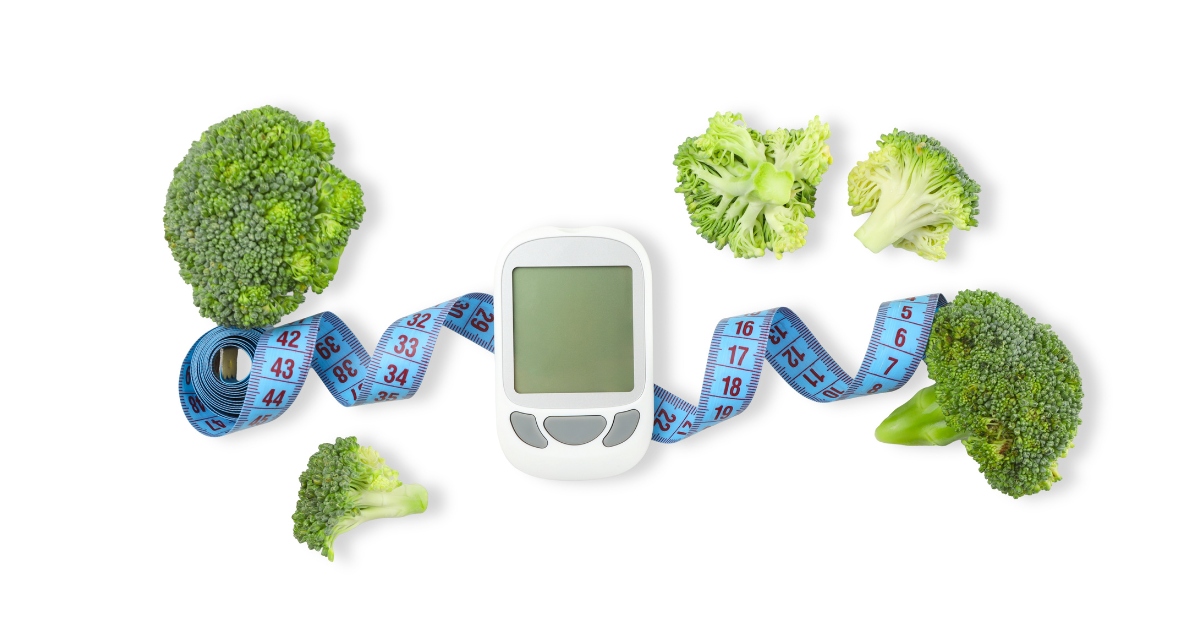
When was the last time you checked your blood sugar, even if you feel perfectly healthy? Many people assume diabetes risk comes with obvious symptoms, but elevated blood sugar levels often develop quietly over time. One simple lab value, called A1C, provides a bigger picture of your blood sugar trends and can help catch concerns early, sometimes years before diabetes develops. Knowing your number empowers you to take small, meaningful steps that support long-term energy, heart health, and overall wellness.
What is A1C and why should you check it?: A1C tests measure your average blood sugar levels over the past two to three months, providing a broader picture of long-term trends rather than a single moment-in-time glucose reading. Screening may be especially beneficial for people age 35 or older, those with a family history of diabetes, individuals carrying excess weight or increased waist circumference, or those experiencing symptoms such as fatigue, increased thirst, or frequent hunger. People with high blood pressure, elevated cholesterol, a history of gestational diabetes, or conditions such as PCOS, may also benefit from regular testing. Even without identifiable risk factors, routine A1C screening can help establish a healthy baseline, allowing for earlier awareness and greater opportunities for prevention.
Why your A1C may be elevated: An elevated A1C typically develops over time and is caused by more than sugar intake alone. Several factors can contribute, including inconsistent eating patterns, consuming high amounts of refined carbohydrates or sugary beverages, and having inadequate intake of fiber or protein. Chronic stress, poor sleep, physical inactivity, certain medications, hormonal conditions, genetics, and underlying insulin resistance may also play a role. In most cases, elevated A1C levels result from a combination of lifestyle and metabolic factors rather than any single food or habit.
Everyday ways to lower your A1C: The good news is that small, consistent habits can make a meaningful difference in improving blood sugar levels. Focusing on building balanced meals that include protein, fiber, and healthy fats, eating regularly, choosing whole grains instead of refined carbohydrates, and increasing intake of non-starchy vegetables can all support better glucose control. Incorporating movement after meals, even a short 10-minute walk, along with prioritizing quality sleep and stress management, can further improve outcomes. Rather than striving for a perfect diet, sustainable changes practiced over time lead to lasting results.
Why working with a dietitian can make a difference: Nutrition advice found online can often feel overwhelming and difficult to apply to everyday life, which is where a registered dietitian can help translate nutrition science into practical, personalized strategies that fit your lifestyle. A Hy-Vee dietitian can assist you in understanding your lab values and individual risk factors, building balanced meals that help stabilize blood sugar without unnecessary restriction, navigating grocery shopping with greater confidence, and creating realistic goals that work within busy schedules. Working with a dietitian can also help prevent or delay the progression to prediabetes or diabetes. Many insurance plans cover nutrition counseling services, making this level of support more accessible than many people realize.
The bottom line: your A1C number tells an important story about your health, often before symptoms appear. Whether your goal is prevention, improved energy, or better long-term health, knowing your number gives you a starting point. Pairing that knowledge with personalized guidance from your Hy-Vee dietitian can help turn small daily choices into lasting results.
Not sure where to start? Join your Hy-Vee Dietitian for our discounted A1c screening event this April. The April special is $15 per screening (normally $45) or two screenings for $20. Hy-VeeScreenings must be purchased in the month of April but can be used at a later time. Locations and times vary. These screenings were made possible thanks to our sponsors: Abbott, Embecta, Dave’s Killer Bread, and OLIPOP.

Greek-Style Vegie Stuffed Peppers
Servings: 2
All You Need:
Hy-Vee olive oil nonstick cooking spray
4 red bell peppers
1 tbsp. Cavender’s salt-free Greek seasoning, divided
1 (16 oz.) pkg. extra firm tofu
2 tbsp. Gustare Vita basil flavored olive oil
1 (15 oz.) can garbanzo beans, drained and rinsed
1 cup cherry tomatoes, sliced into quarters
1/2 cup red onion, thinly sliced
2 cloves garlic, minced
2 cups baby spinach, coarsely chopped
2 tbsp. lemon juice
1/2 cup Soiree crumbled feta cheese
Fresh basil, for garnish
All You Do:
Preheat oven to 400°F. Spray a 13x9-inch baking dish with nonstick spray; set aside.
For peppers, wash, dry and cut peppers in half, lengthwise. Remove and discard seeds. Place peppers, cut sides up, in prepared dish. Lightly coat peppers with nonstick spray and season with ½ tsp. Greek seasoning. Bake for 10-12 minutes or until softened.
For filling, drain and pat tofu very dry with paper towels. Coarsely grate tofu using a box grater; set aside.
Heat 1 tbsp. basil olive oil in a large nonstick skillet over medium-high heat. Add tofu; season with 1 tsp. Greek seasoning and cook for 4-5 minutes or until golden brown, stirring frequently; set aside.
Gently stir together tofu, garbanzo beans, cherry tomatoes, red onion, garlic, baby spinach, remaining 1 tsp. Greek seasoning, lemon juice, and feta cheese.
Evenly divide mixture among 8 pepper halves. Bake for 20 to 24 minutes or until peppers are tender and filling is warmed through. Top with remaining feta cheese and drizzle with remaining 1 Tbsp. basil olive oil. Garnish with fresh basil, if desired.
Recipe Source: Greek-Style Veggie Stuffed Peppers | Hy-Vee
The information is not intended as medical advice. Please consult a medical professional for individual advice. This content was made possible with the support of our screening sponsors: Abbott, Embecta, Dave’s Killer Bread, and OLIPOP.