The Science of Satiety
Have you ever finished a meal only to feel hungry again an hour later? Satiety—the feeling of fullness and satisfaction after eating—is influenced by more than just how much food is on your plate. It’s a complex interaction between nutrients, hormones, digestion, and even how we eat. The good news? With a few science-backed strategies, you can build meals and snacks that keep you feeling fuller longer while supporting energy and overall wellness.
Protein is a Satiety Superstar: A higher protein diet can help people feel full and maintain a healthy weight.1 Eggs are a good source of all-natural high-quality protein. Eggs are a healthy, high-quality protein. One egg has 6 grams of protein (12% of the recommended Daily Value (DV) and all 9 essential amino acids that supports satiety and muscle health. Our Pick of the Month from the American Egg Board highlights just how versatile and nutrient-dense eggs can be, whether scrambled, hard-boiled, or added to grain bowls and salads.
Fiber Slows Digestion (In a Good Way!): Fiber adds bulk to meals and slows the movement of food through the digestive tract, helping you feel full longer. Soluble fiber, in particular, forms a gel-like substance in the gut that enhances satiety. Aim for fiber from whole foods like vegetables, fruits, beans, whole grains, nuts, and seeds.
Healthy Fats Help Meals Stick With You: Fat often gets a bad reputation, but it can contribute to satiety. 2 Fat slows stomach emptying and enhances flavor, both of which contribute to feeling satisfied after eating. Include small amounts of unsaturated fats like olive oil, avocado, nuts, seeds, or fatty fish. A drizzle of oil or a sprinkle of nuts can make a meal more satisfying without overdoing it.
Gut Health Matters More Than You Think: Your gut microbiome plays an important role in digestion, appetite regulation, and fullness. Supporting digestion with fiber-rich foods and gut-nourishing products—like prebiotic-rich foods and beverages—can make a meaningful difference. Functional drinks such as OLIPOP, combines classic soda flavors with prebiotics, plant fiber, and botanicals to support digestive health, delivering 6–9 grams of fiber. Another dietitian recommended option, Bio.me, is a daily prebiotic fiber made with two clinically researched fibers that provide 7 grams of fiber per serving to gently support regularity and help rebalance the gut microbiome†. For added support, Ancient Nutrition Collagen is an easy addition to smoothies or coffee, offering multiple collagen types from bovine, chicken, and fish, plus 2 billion CFU* (at time of manufacture) to support digestion and gut health†—helping your body feel satisfied and supported from the inside out.
Slow Down and Eat Mindfully: Satiety hormones take time, about 20 minutes, to signal fullness to your brain. Eating too quickly can lead to overeating before those signals kick in. Sit down for meals when possible, minimize distractions, and pay attention to hunger and fullness cues.
The bottom line, satiety isn’t about eating less, it’s about eating smarter. Balanced meals that include protein, fiber, healthy fats, and gut-supportive foods can help you feel satisfied. By slowing down and choosing nutrient-dense options, you can work with your body’s natural hunger signals, not against them. Feeling satisfied is science, and with the right choices, it can be delicious, too. Ready to build healthier habits that stick? Let a Hy-Vee dietitian help. Schedule a complimentary Discovery Session by contacting our Discovery Call Center at nutritionservices@hy-vee.com or (515) 695-3121.
Vegetable Egg Quinoa Bites
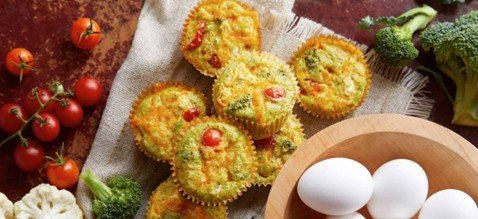
Sometimes breakfast can be a challenge, but with these quick bites, everyone in the family can start their day out right. These muffins combine whole grains, vegetables, and nutrient-rich eggs. Make a batch ahead of time and simply reheat in the morning.
All you need:
10 eggs
1 cup Hy-Vee cheddar cheese, shredded
1 cup cooked quinoa
1 cup cherry tomatoes, quartered
½ cup broccoli florets, finely chopped
½ cup cauliflower florets, finely chopped
2 Tbsp fresh basil, finely chopped, optional
All you do:
Preheat the oven to 350°F. Lightly oil or coat 12 muffin cups with nonstick cooking spray and set aside.
Crack the eggs into a large bowl. Whisk until well combined. Stir in the cheese, quinoa, tomatoes, broccoli, cauliflower, and basil as desired until well combined.
Use a ¼-cup measuring cup to divide the mixture evenly into the prepared muffin cups.
Bake until the eggs are set, 16 to 18 minutes. Allow to cool slightly before serving. (Refrigerate leftovers for up to 3 days or freeze for up to 1 month. To ensure food safety, always cook eggs to 160 degrees F.
Recipe source: https://www.incredibleegg.org/recipe/broccoli-and-cauliflower-cheddar-quinoa-bites/
The information is not intended as medical advice. Please consult a medical professional for individual advice. This content was made possible with the support of our sponsors: American Egg Board, Ancient Nutrition Collagen, Bio.me, and OLIPOP.
†These statements have not been evaluated by the Food and Drug Administration. This product is not intended to diagnose, treat, cure or prevent any disease.
References:
1 Leidy, Heather J., et al. “The Role of Protein in Weight Loss and Maintenance.” The American Journal of Clinical Nutrition.
2 Montmayeur, J.-P., and J. le Coutre, editors. Fat detection: Taste, texture, and post ingestive effects, chapter “Fat and Satiety.